

During my time in Scandinavia, I had the great opportunity to join my dad in Berlin for a few days. Back then, I had never been to Germany before (what a shame, I know) and I was very glad to experience the Berliner life for a little escape.
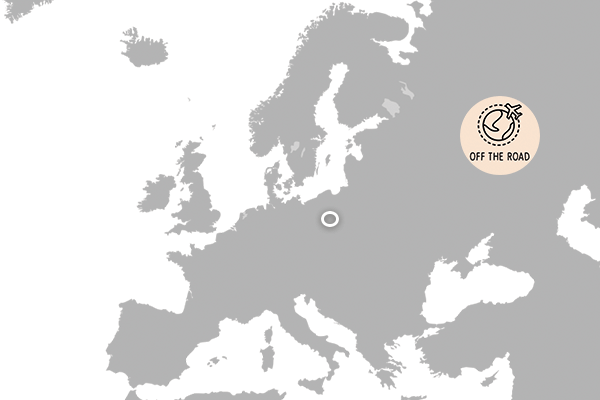
I had heard contrasted feedback before coming to Berlin. Some people often say that is not a city to visit really but more a city to live in. Others claim that even though is not the prettiest European capital in terms of architecture, there is still a lot to discover over there. So, I decided to come with no expectations, and open myself to everything I would see in Berlin.
DAY 1 | KREUTZBERG
I arrived in the late morning, so, unfortunately, I did not have a full day to visit.
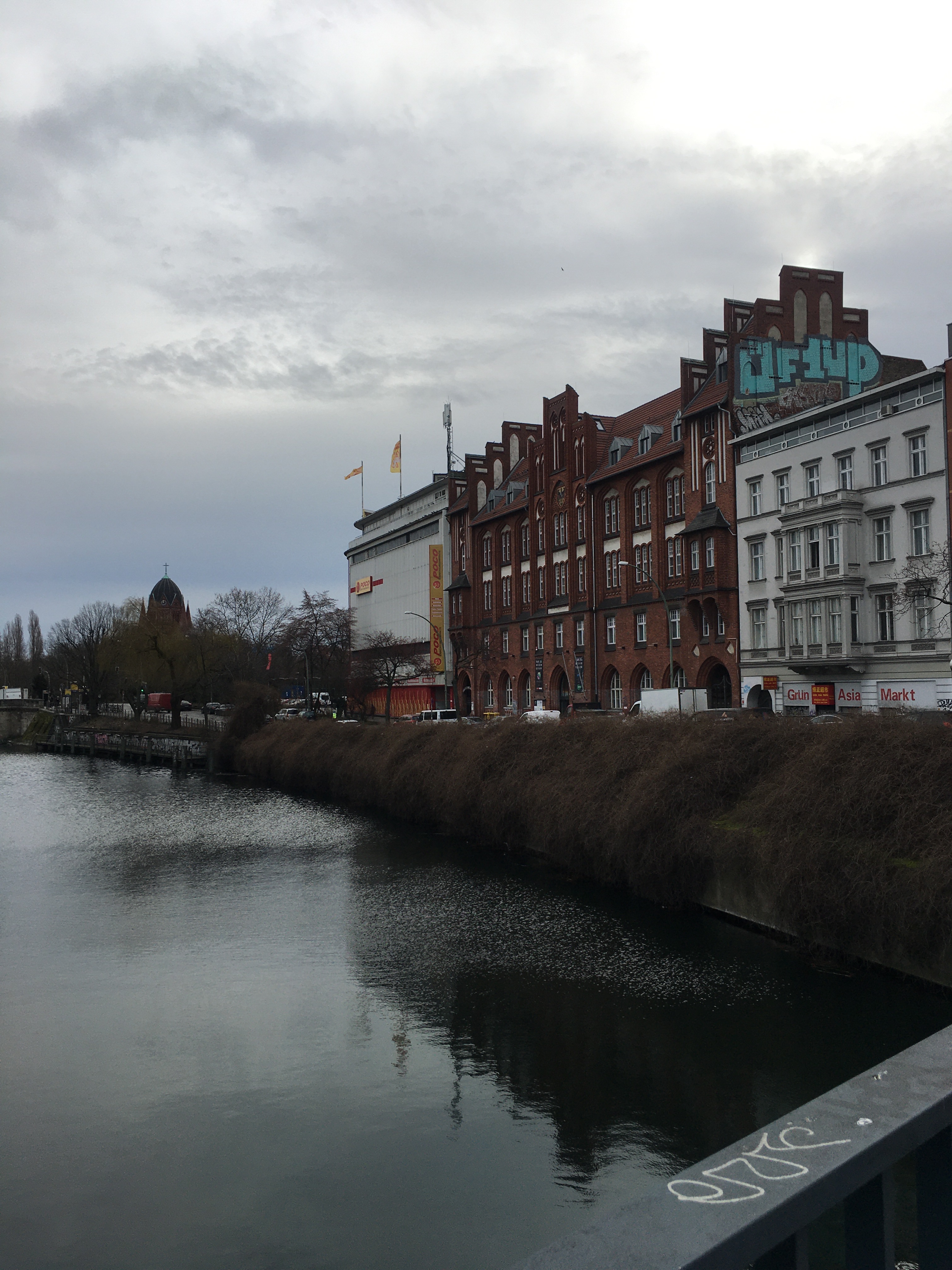
Since my hotel was located near Kreutzberg, and the weather was not too bad, I decided to go explore the neighborhood of Kreutzberg.
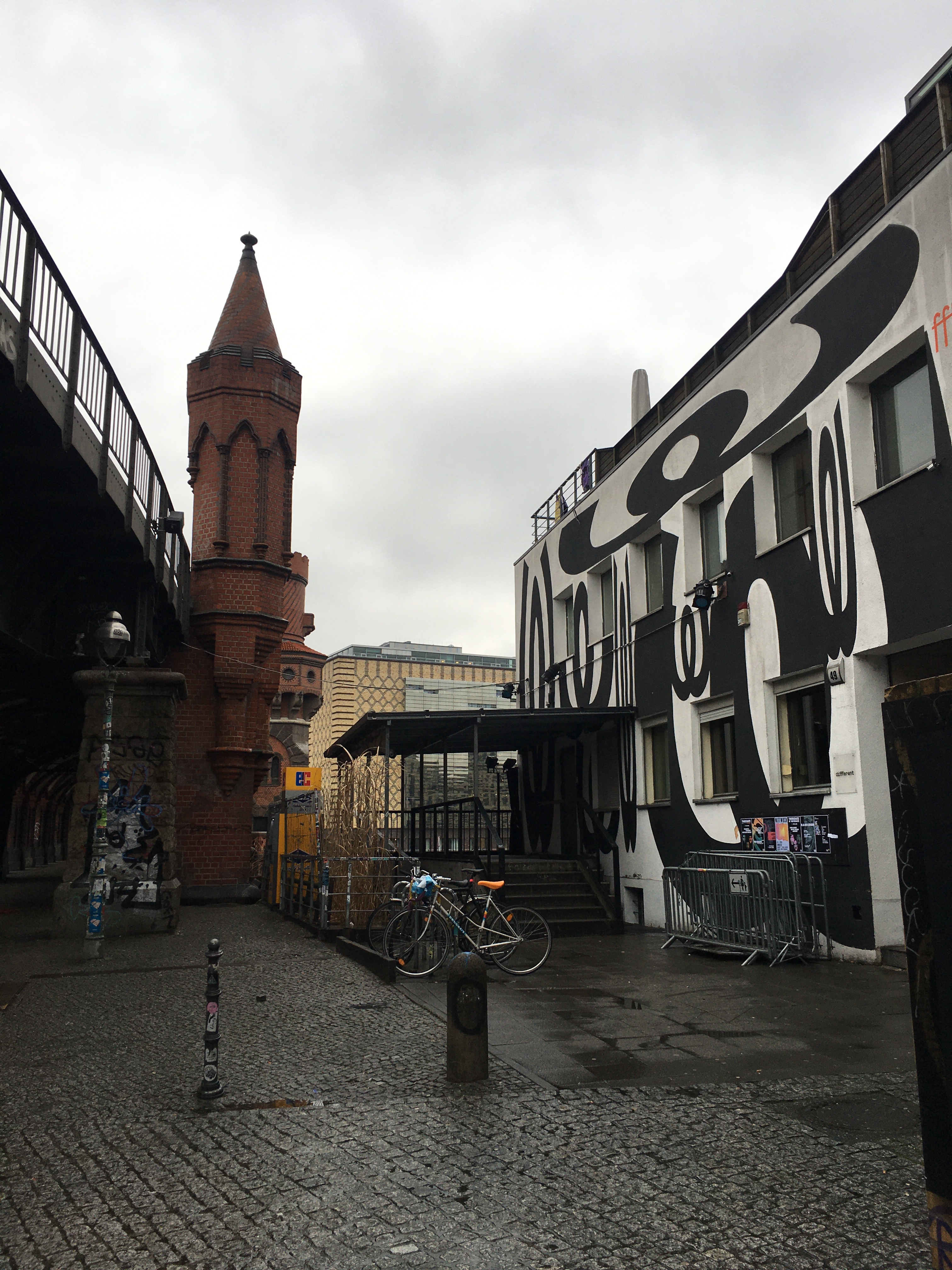
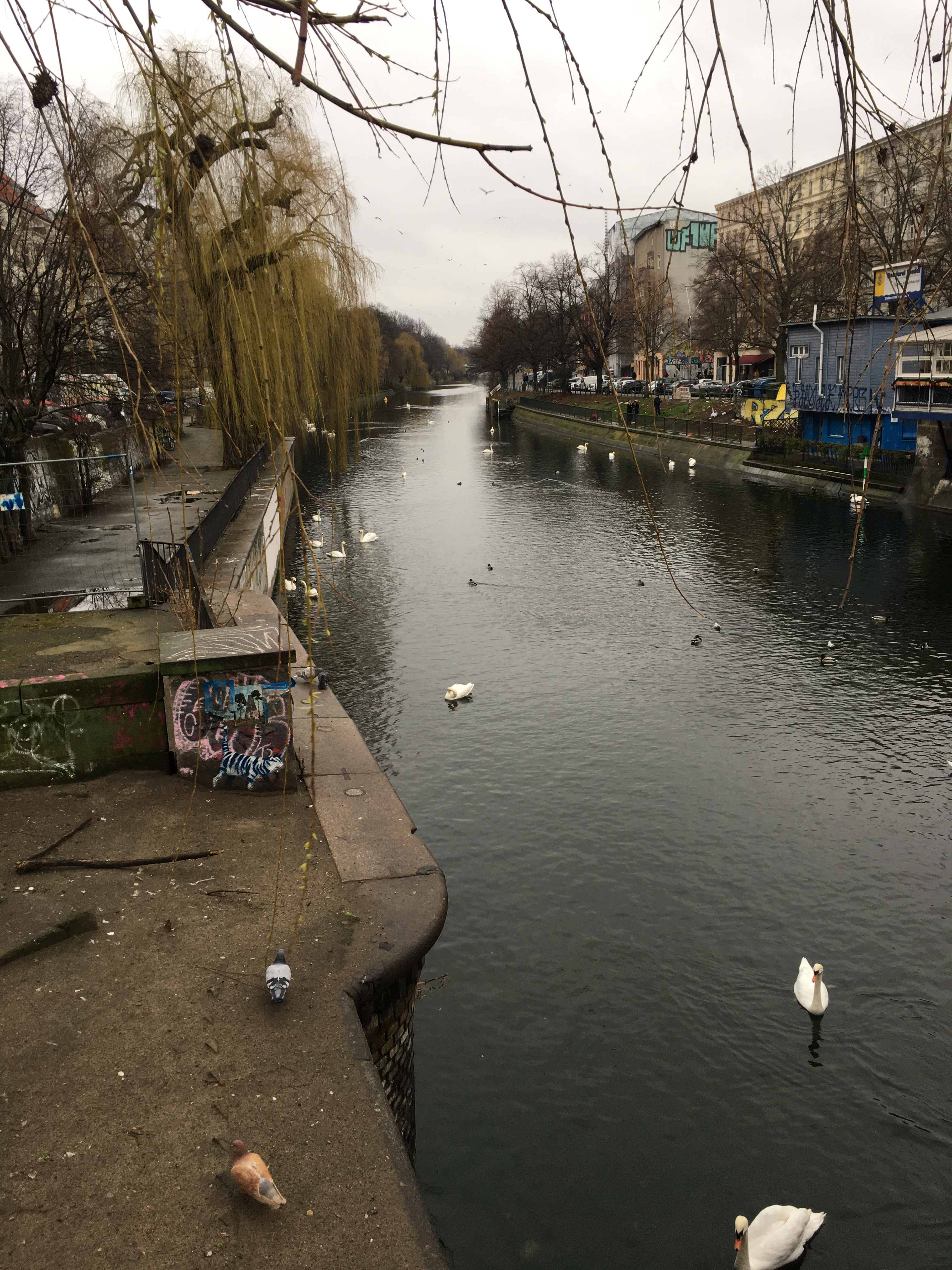
This area of Berlin was developed in the late XIX century, with the growing industrialization. Therefore, it became quickly the workers’ residency but was the victim of several bombing during World War II. During the cold war, the area was bordered by the wall at the extreme east of the west zone. When the wall fell, the neighborhood became a squat district but is now experiencing a gentrification phenomenon.
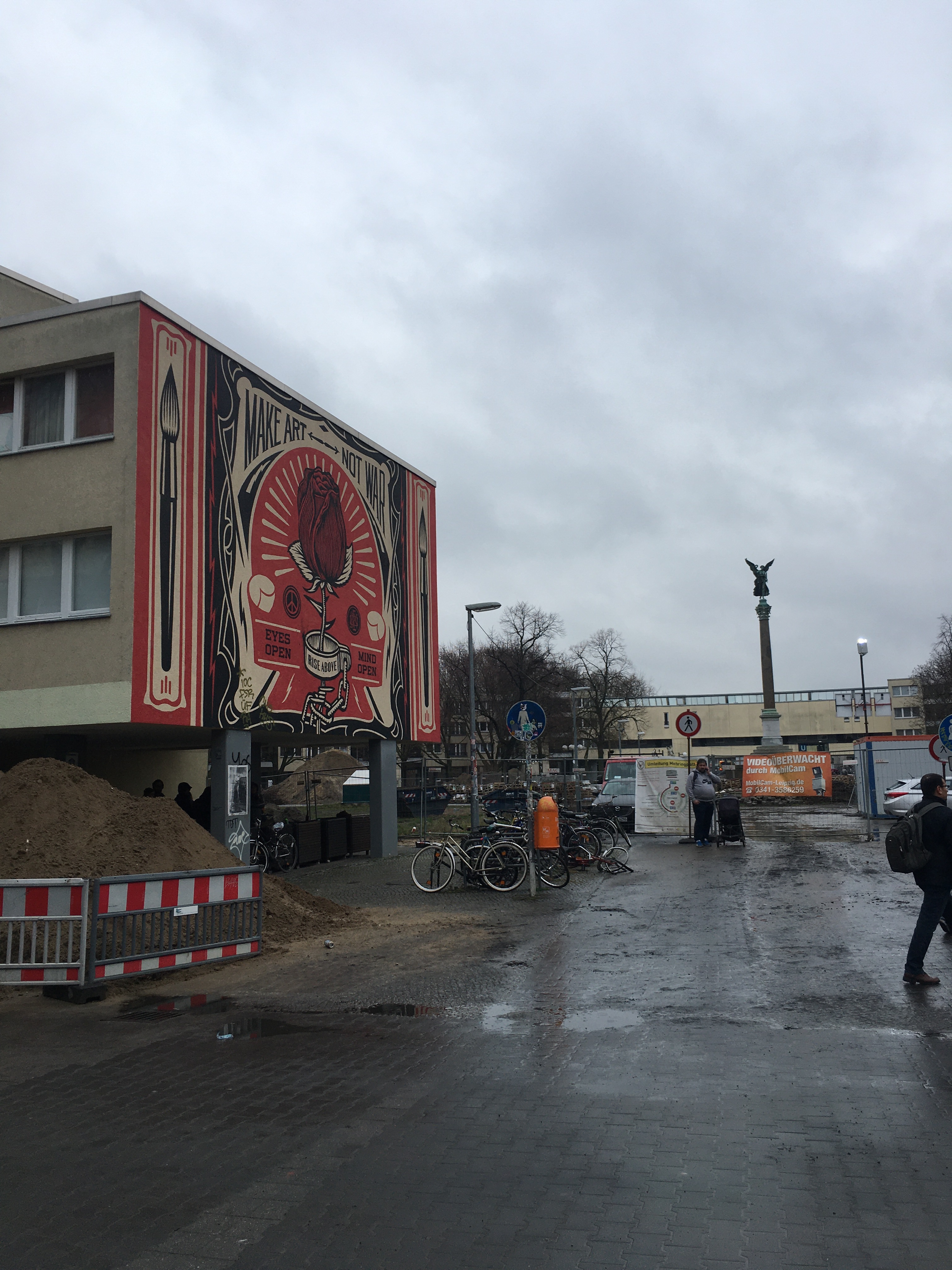
I really liked having a walk in this area, where you can feel that the squat feeling has matched a powerful interest. Please note that is not 100% recommended to have a walk alone there at night time. But it’s totally safe during the day.
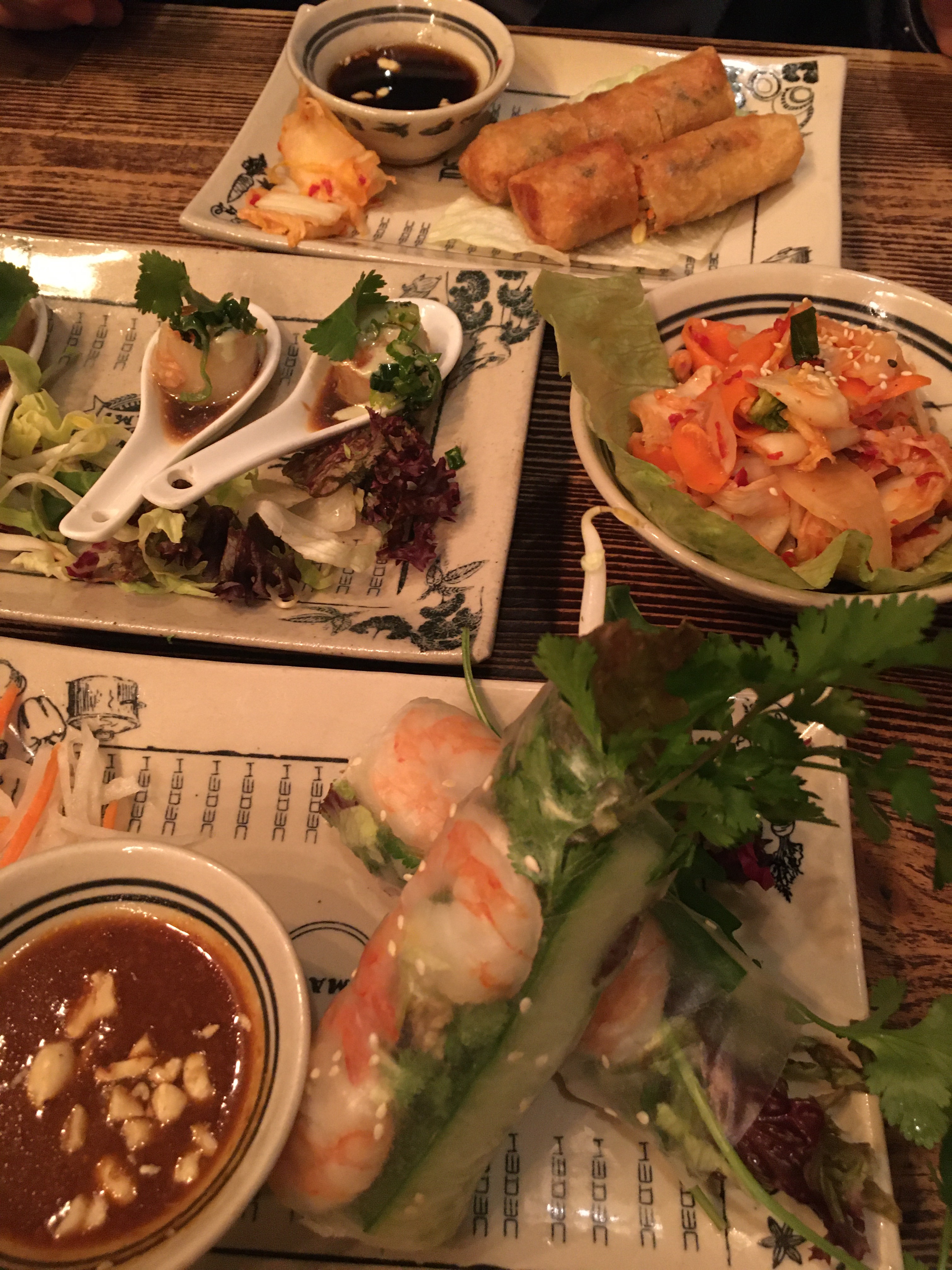
Then, I went back to my hotel and headed south to have dinner in an Asian restaurant, called Umami. There might be a queue if you are going there, but the food is definitively worth it.
DAY 2 | MITTE – MUSEUMS ISLAND
I had booked that morning the visit of the beautiful Dome of the Bundestag. You must do that prior to your journey in Berlin – it is free, and you just have to register to get access. Otherwise, you will have to wait for hours with a potential chance of not getting in.
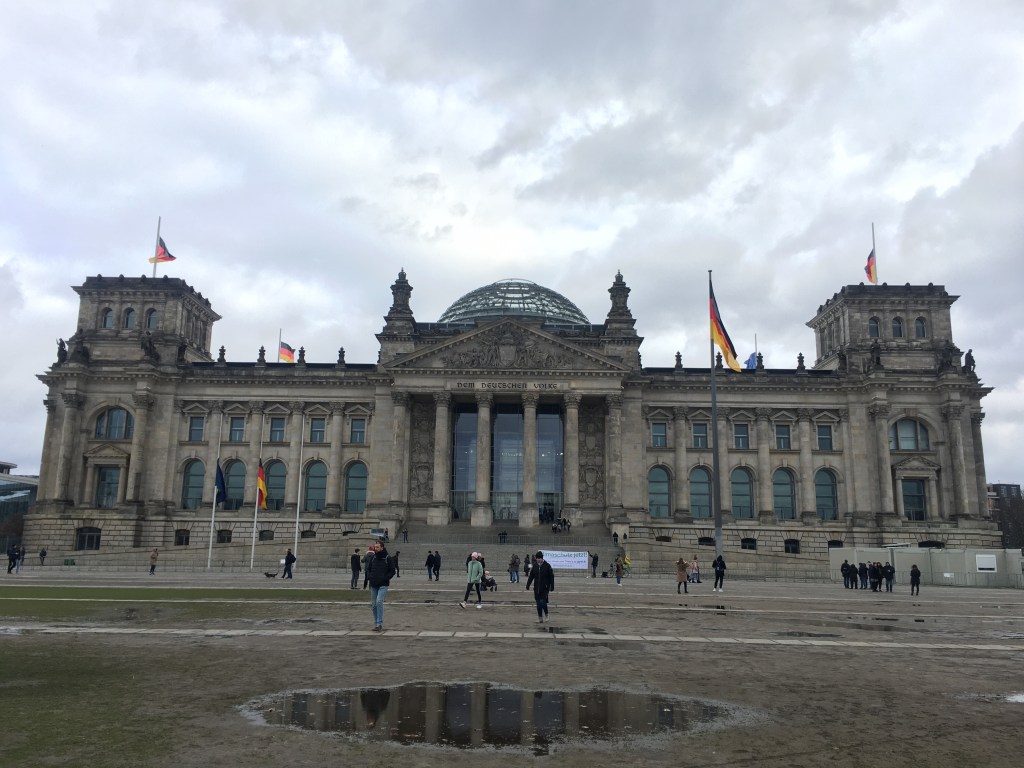
After taking an elevator, you reach the rooftop of the Bundestag (former Reichtag) now the home of the German Parliament. You are invited to take a walk inside the dome to reach its top. This walk gives you a 360-degree view of the city, and the audioguide explains clearly what the main buildings/monuments and their roles throughout history are.
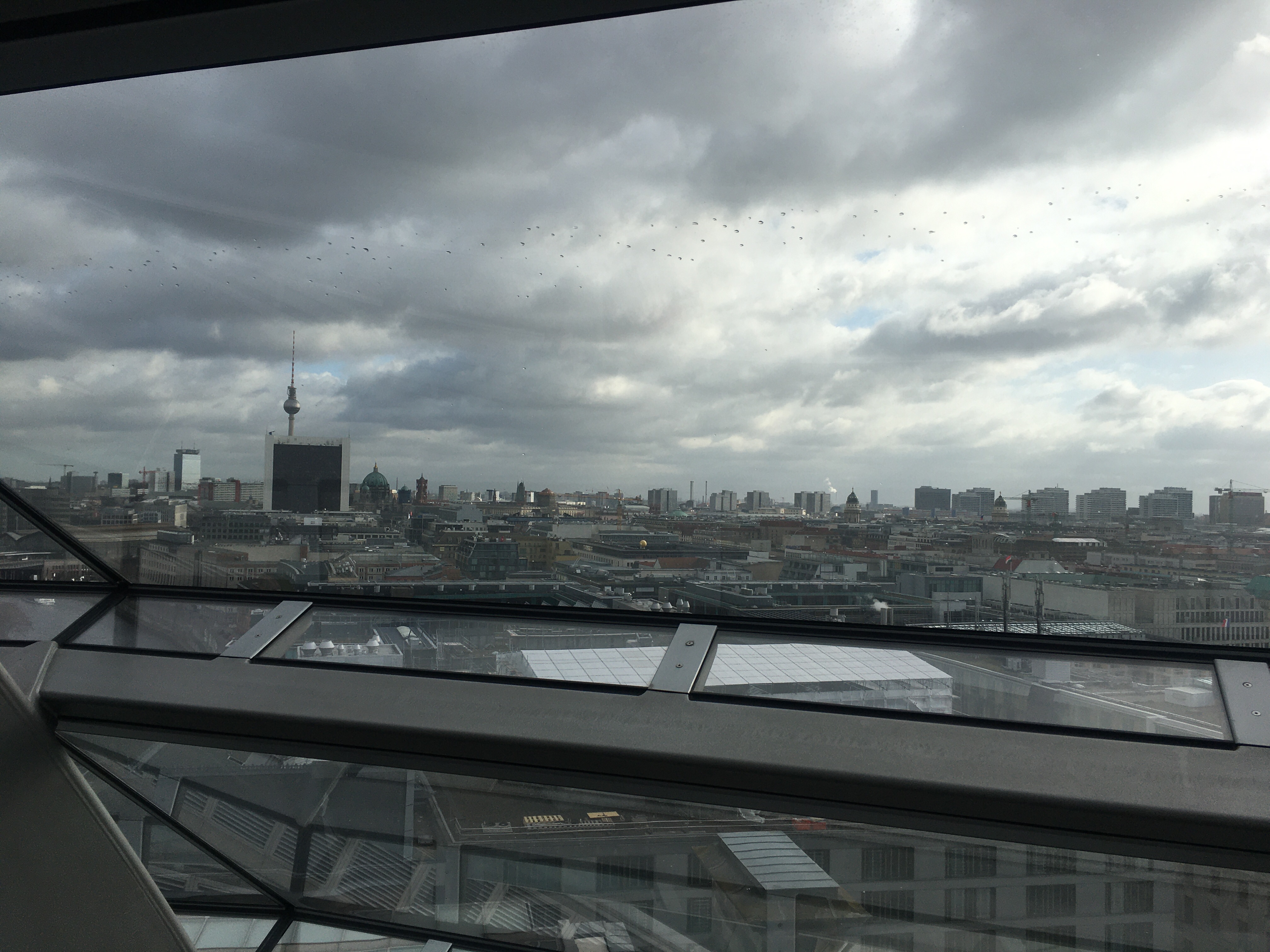
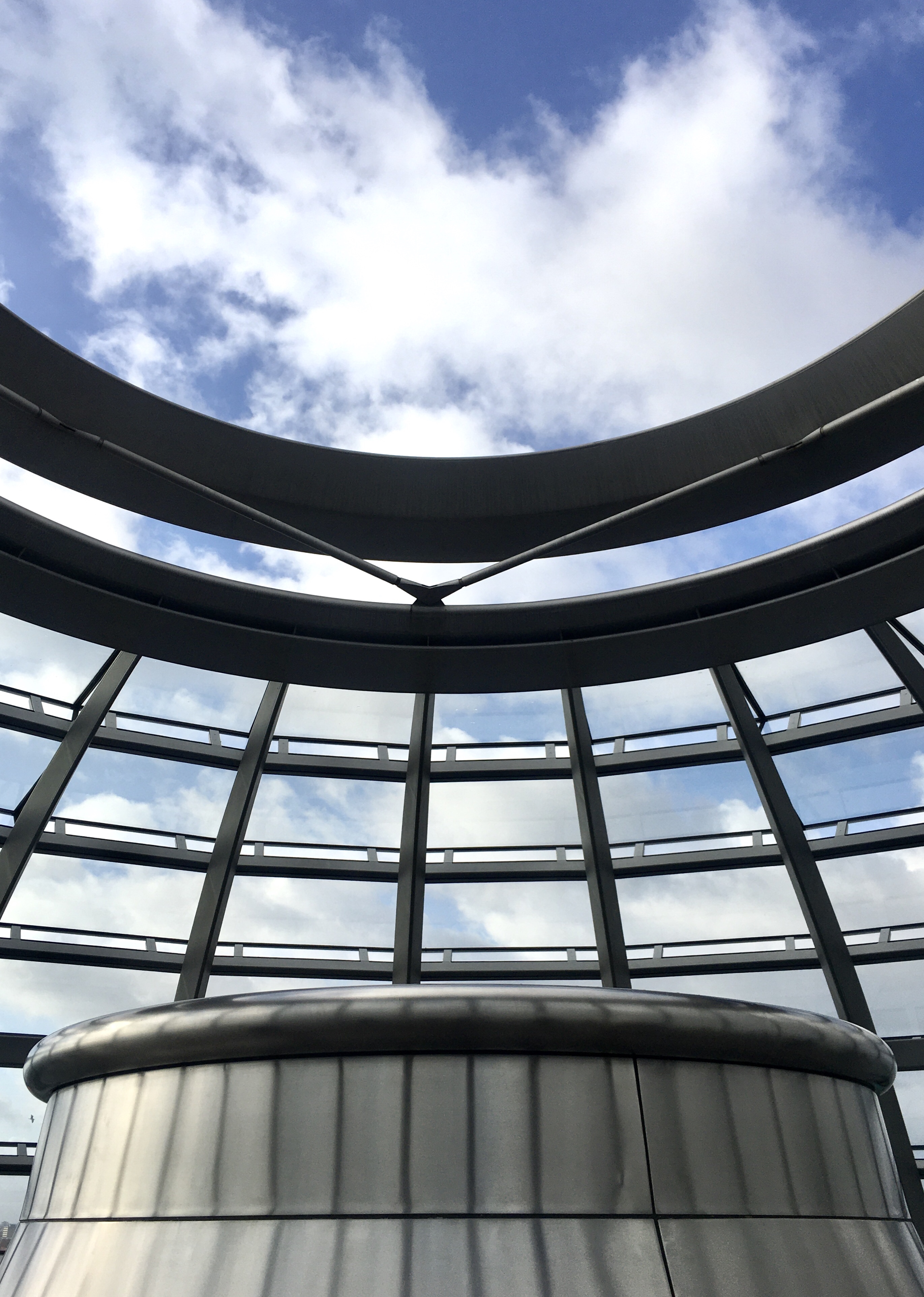
It’s really something to do if you want to understand the history of Berlin.
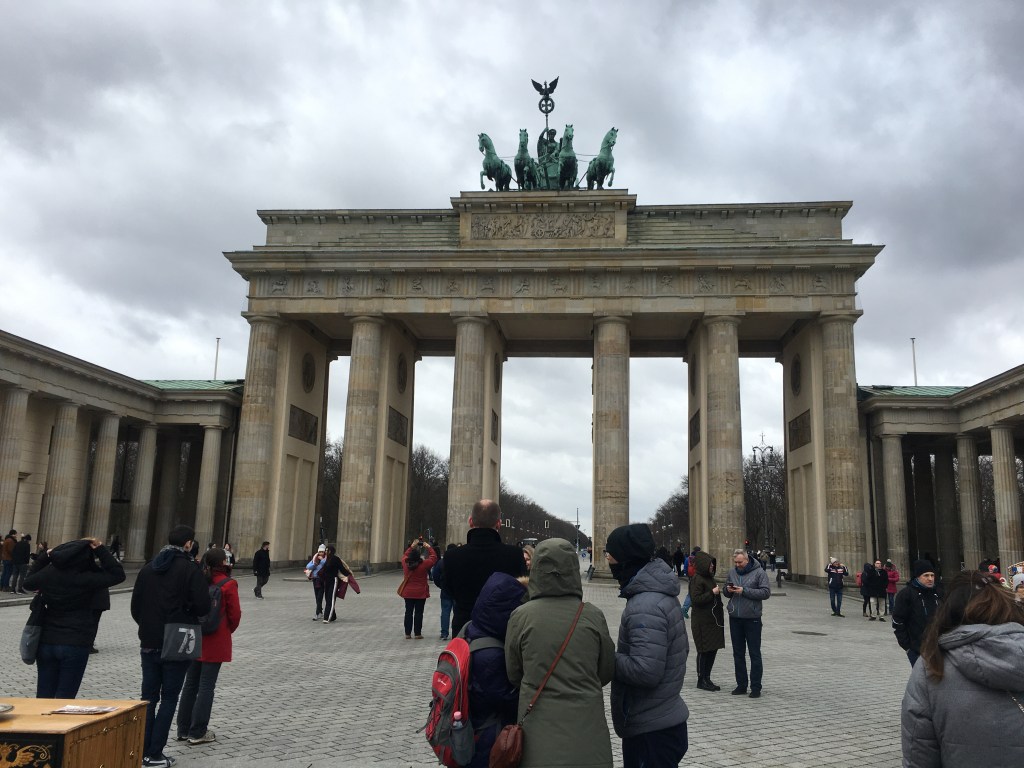
Then, I did the Holocauste Memorial Museum. It is an emotional experience to visit this museum and I highly recommend it. I believe that it gives faces to the victims of the Holocaust. It’s not just about numbers – it’s about their background, why they were deported, how, and what are their ends.
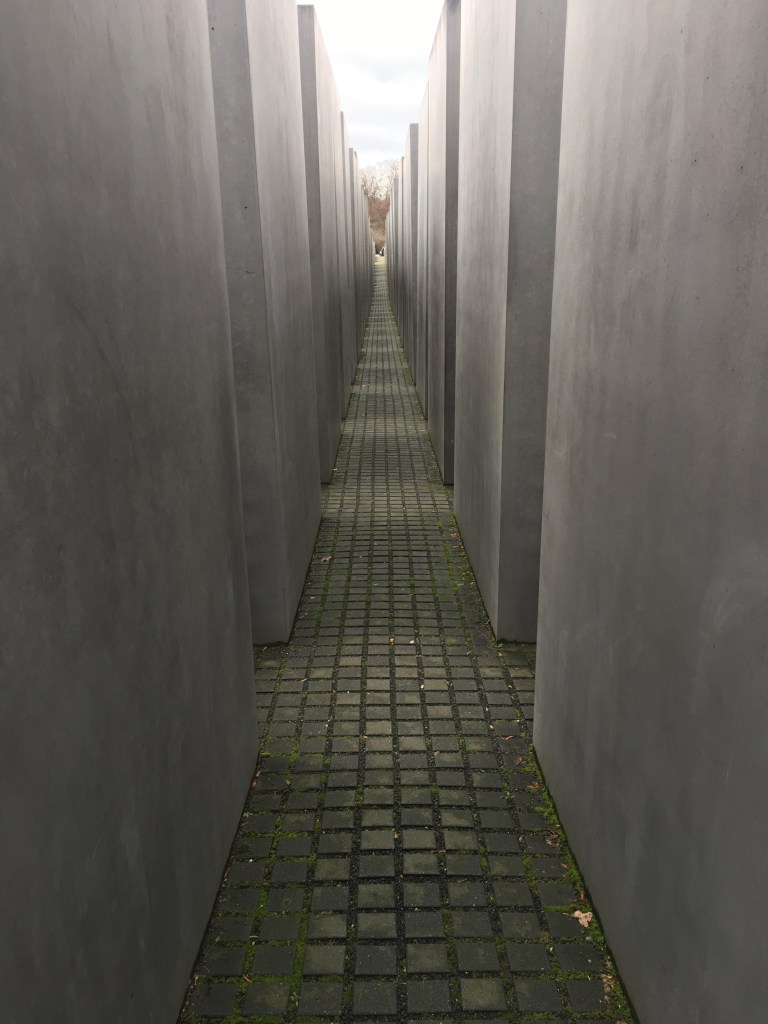
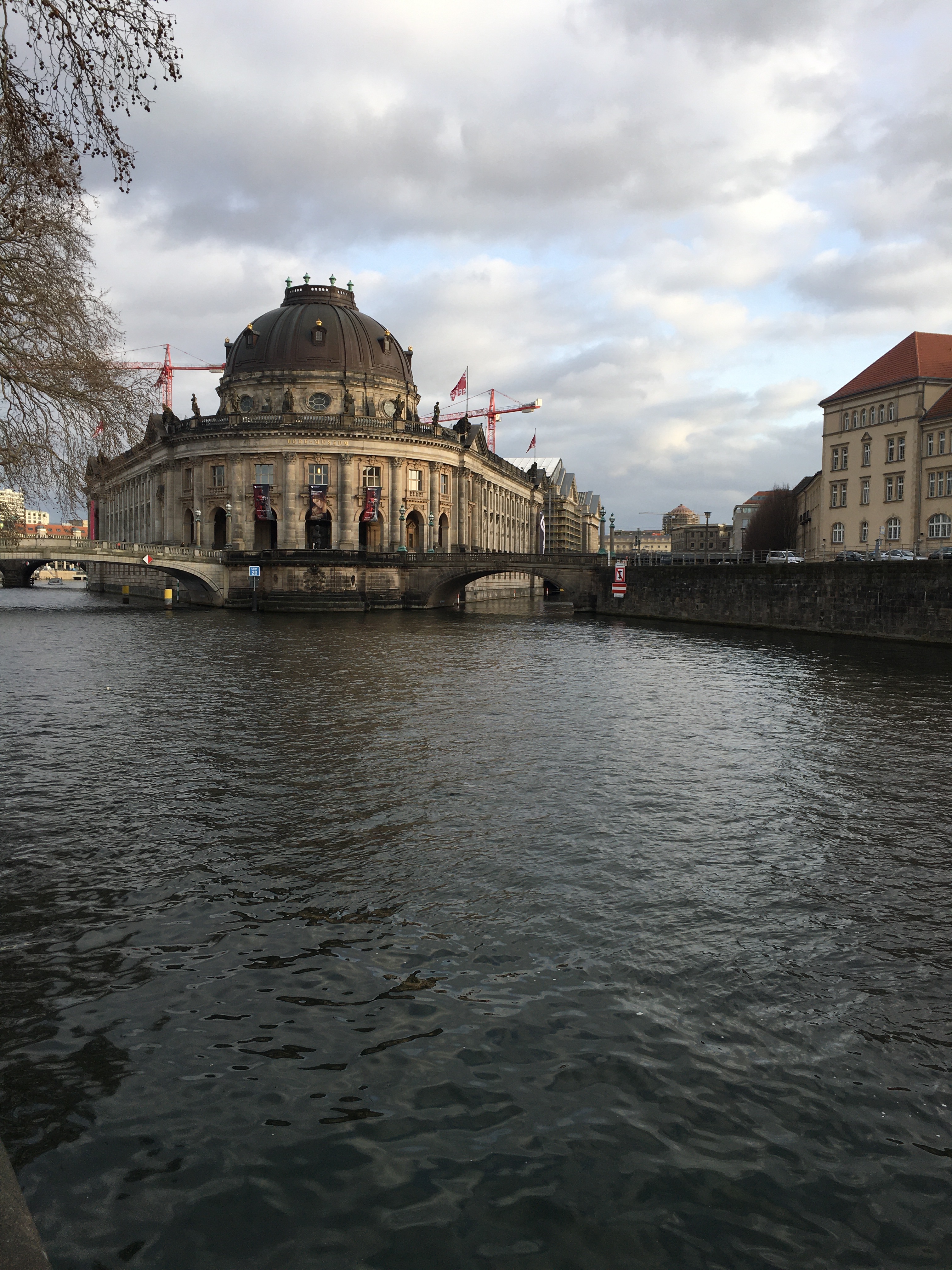
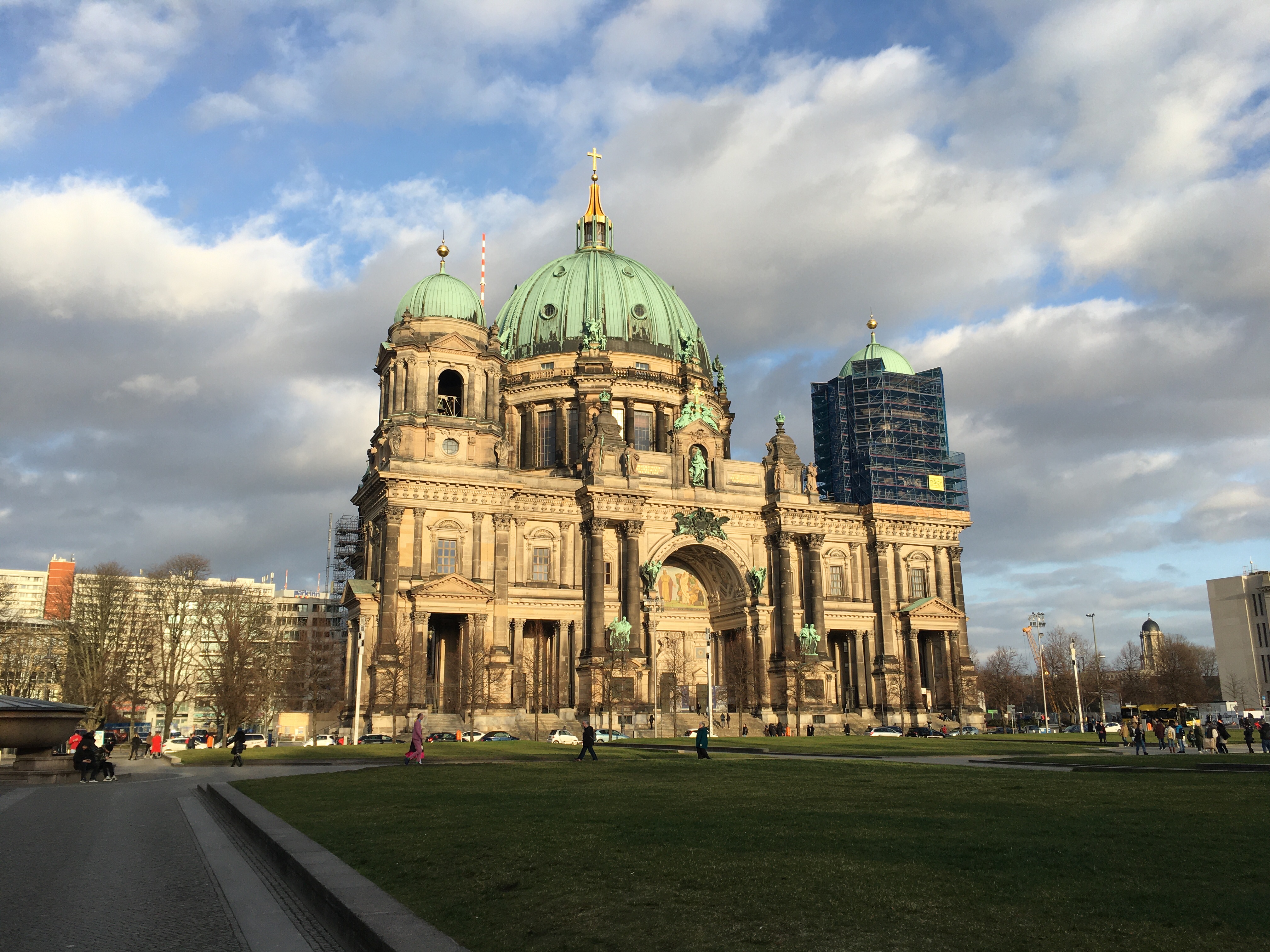
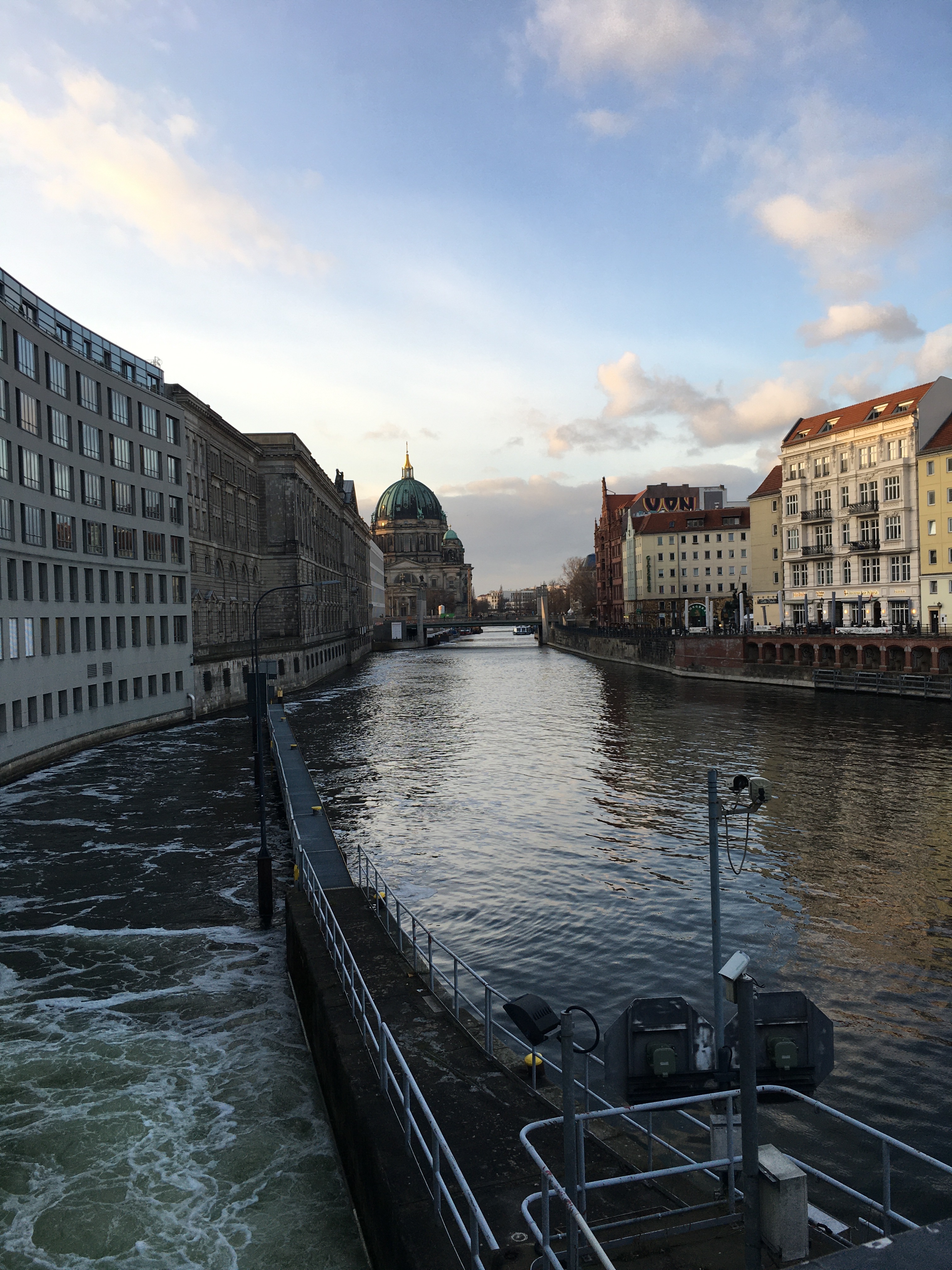
Then, I had a walk around the island of Museums – I did not have the time to properly visit one, but that might be worth it.
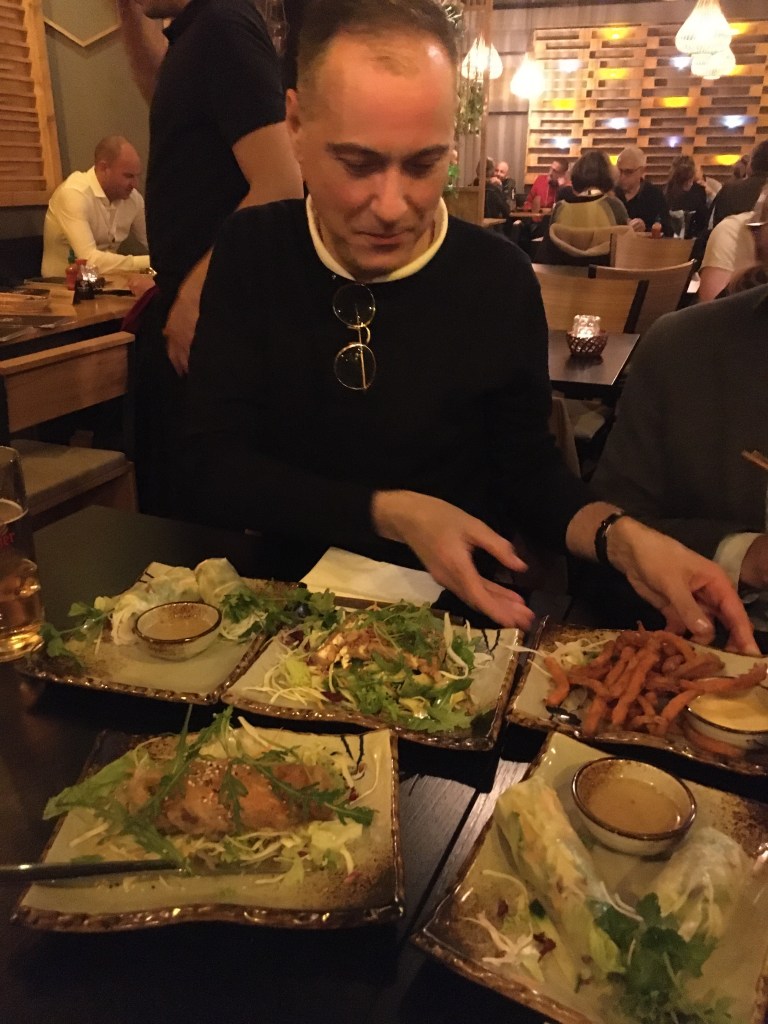
After my 20 km walk day, it was time to come back and have dinner… and guess what, Asian food again!
DAY 3 | TEMPELHOF – FREDRIECHSTAIN
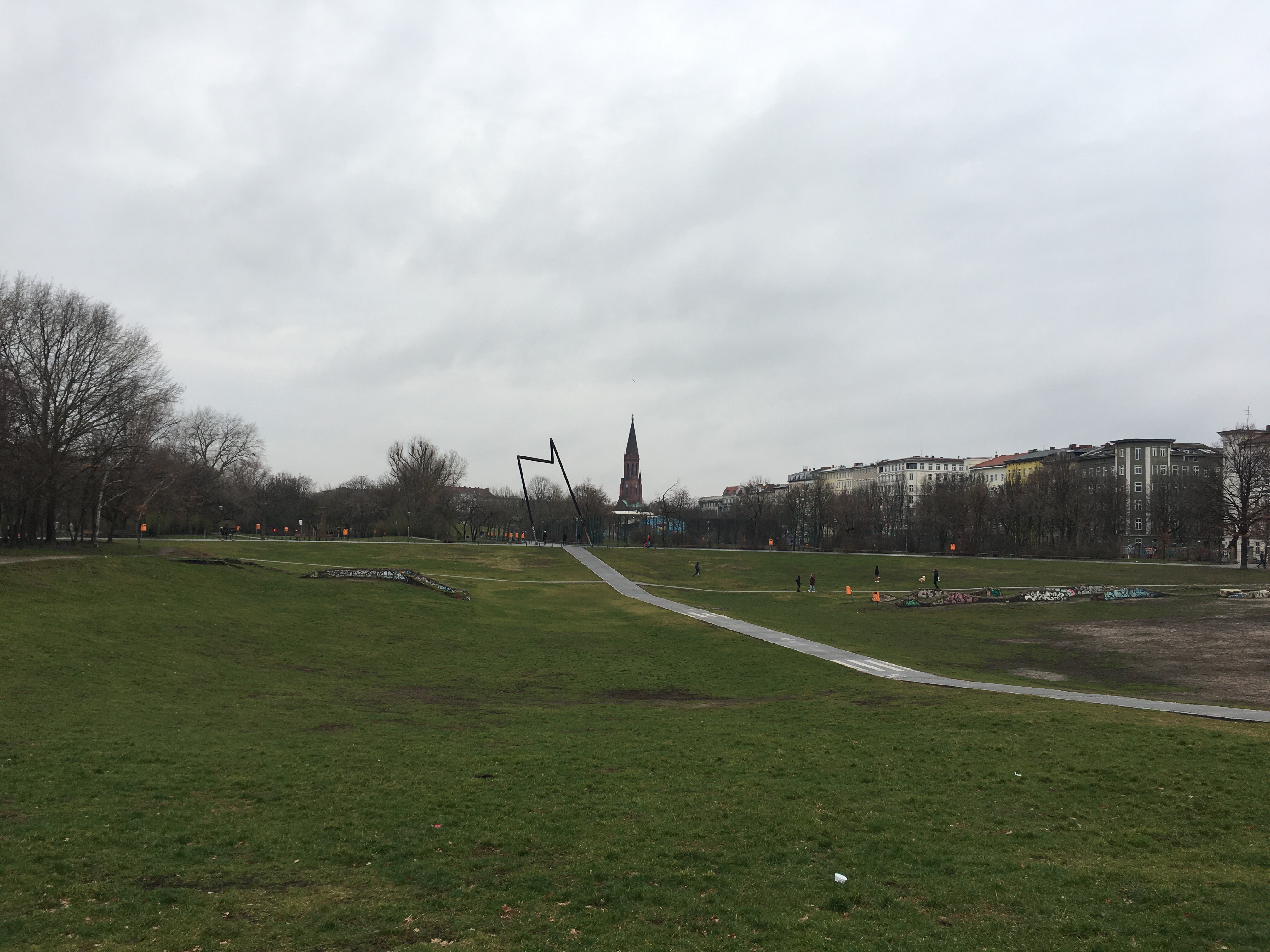
Since it was sunny that morning, I decided to change my plans. I was told about the abandoned airport of Tempelhof and how it is now a place to spend some time outside. I decided to go there walking.
Tempelhof, in the middle of the Southern part of the city, is the former airport in Berlin. It was a commercial but also military airport – and was the object of a massive reconstruction during the Nazi period. The airport ceased operating in 2008 amid controversy.
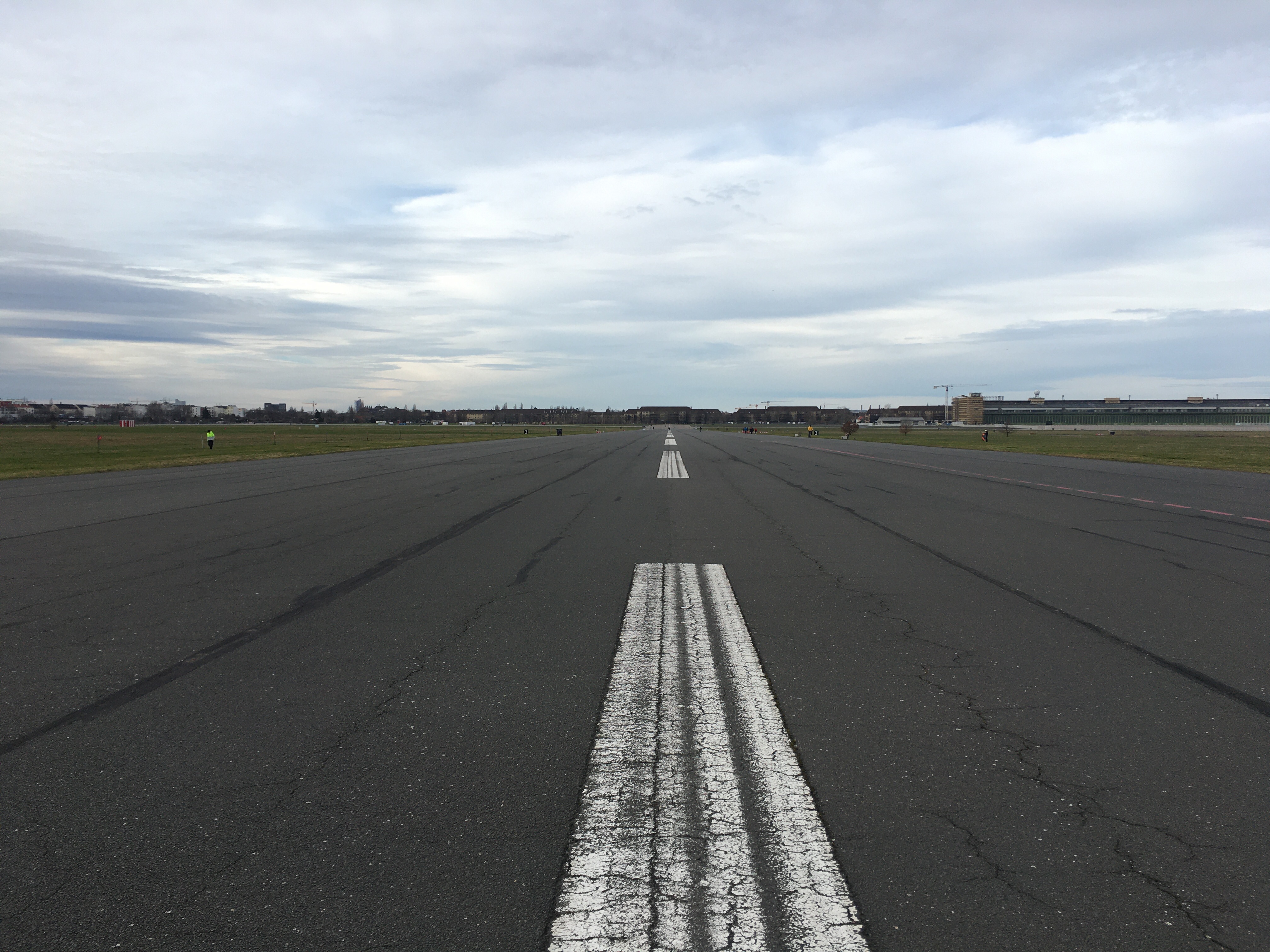
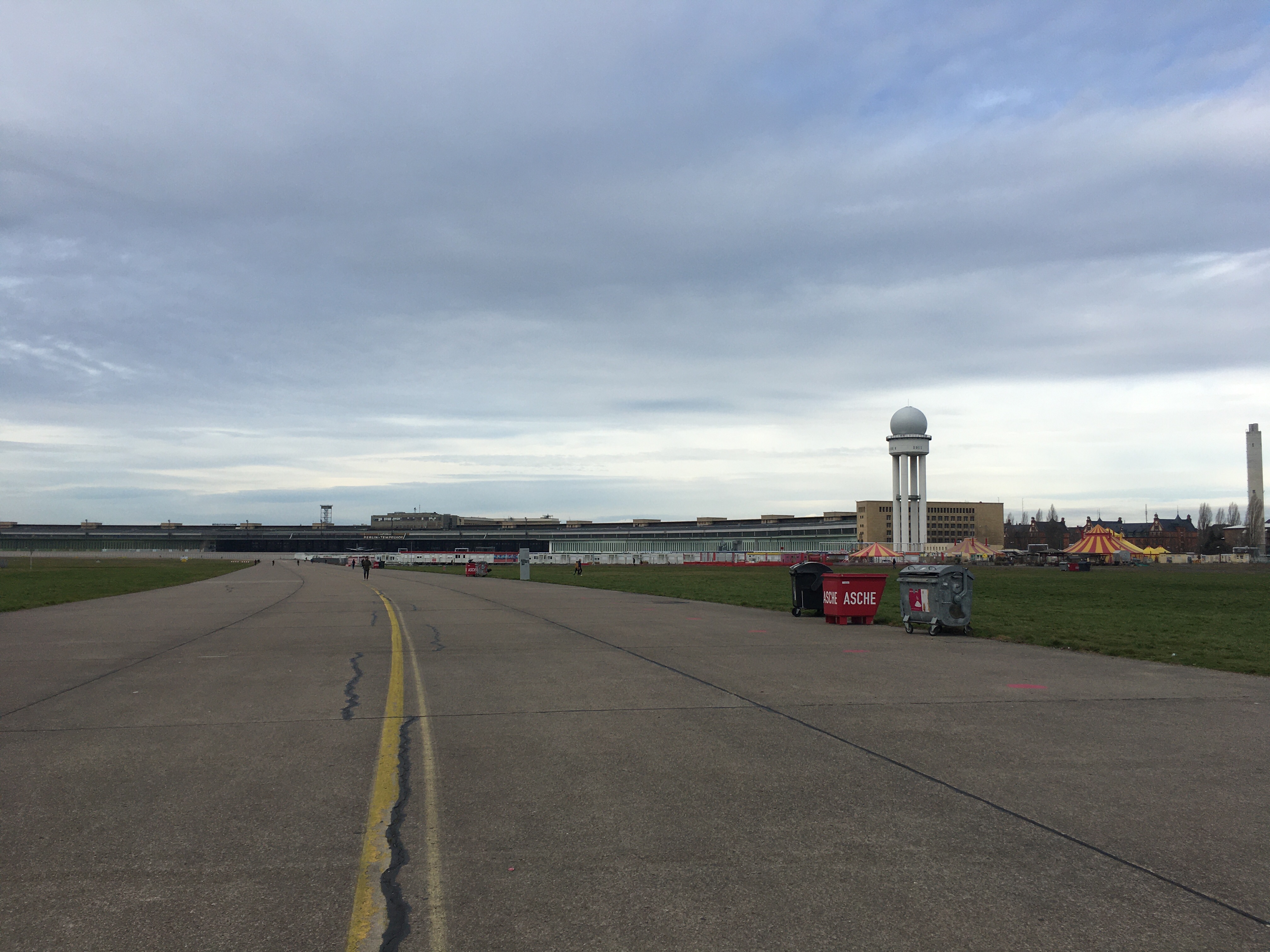
It is really impressive to have a walk there.
Then, after lunchtime, I headed to Fredriechstain to have a walk.
I went to one of the streets where there are still some squats, threatened to be expelled.
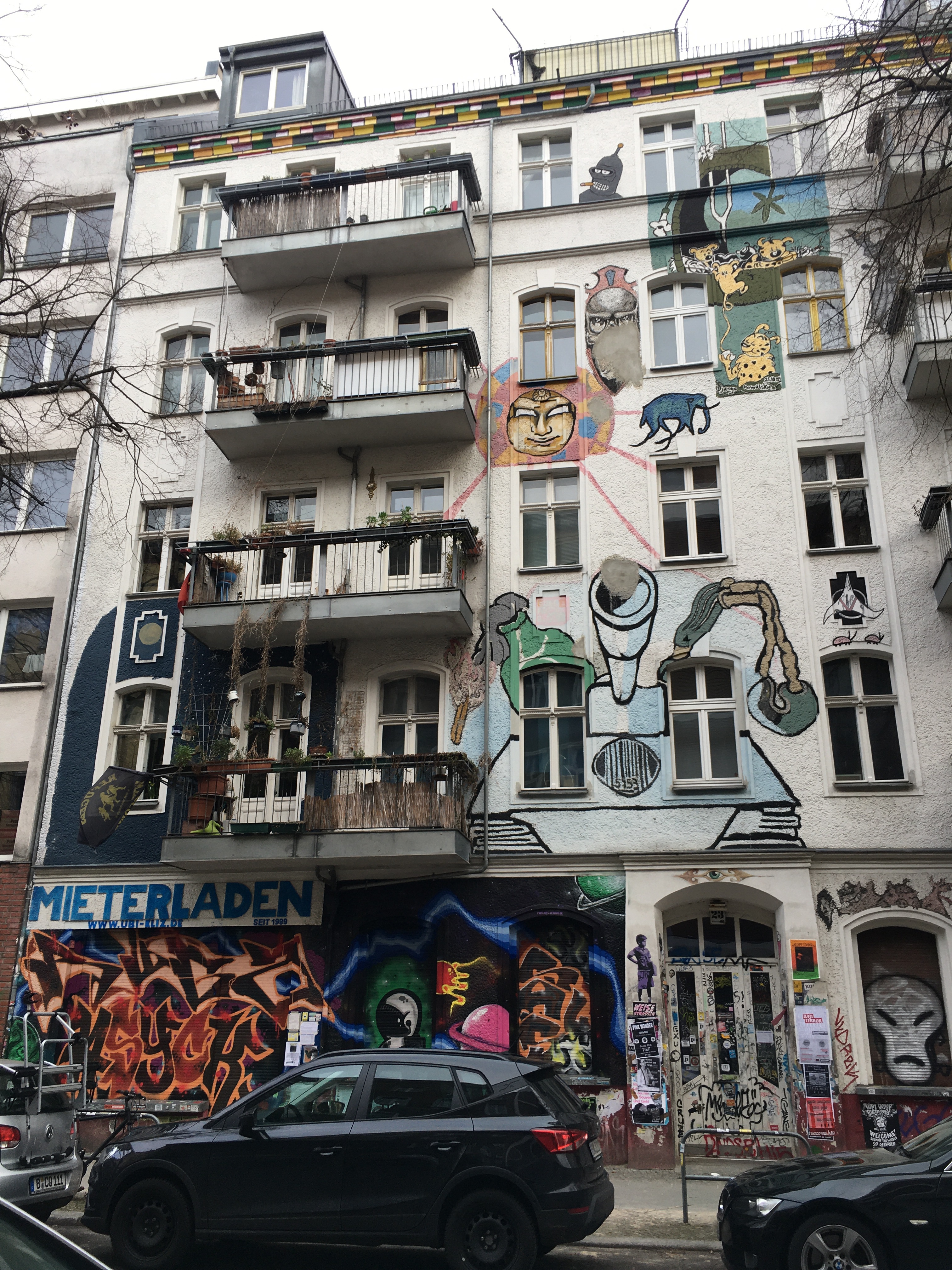
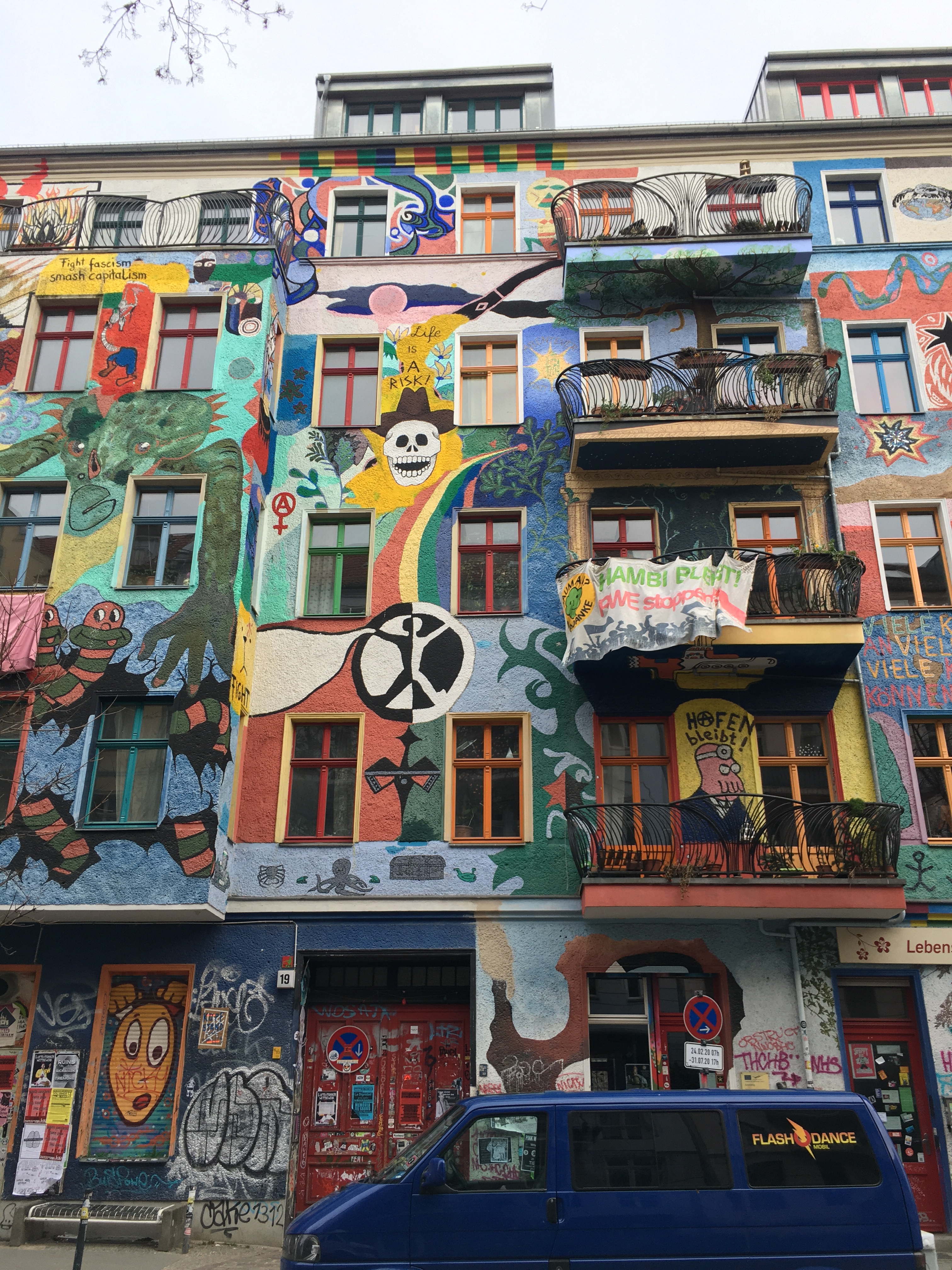
There is also in the Boxhagener place a little market every Saturday, where you can find some nice street food.
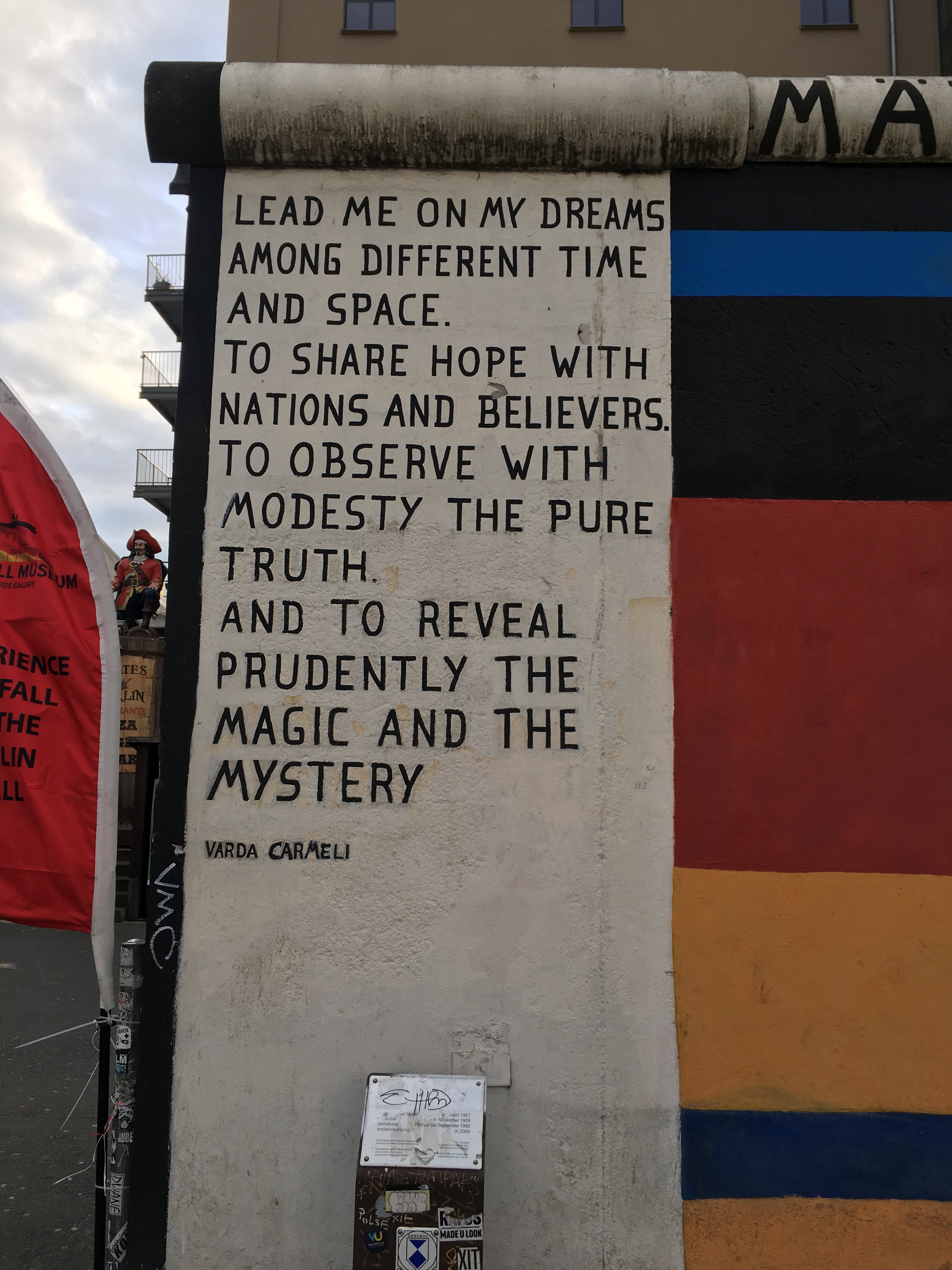
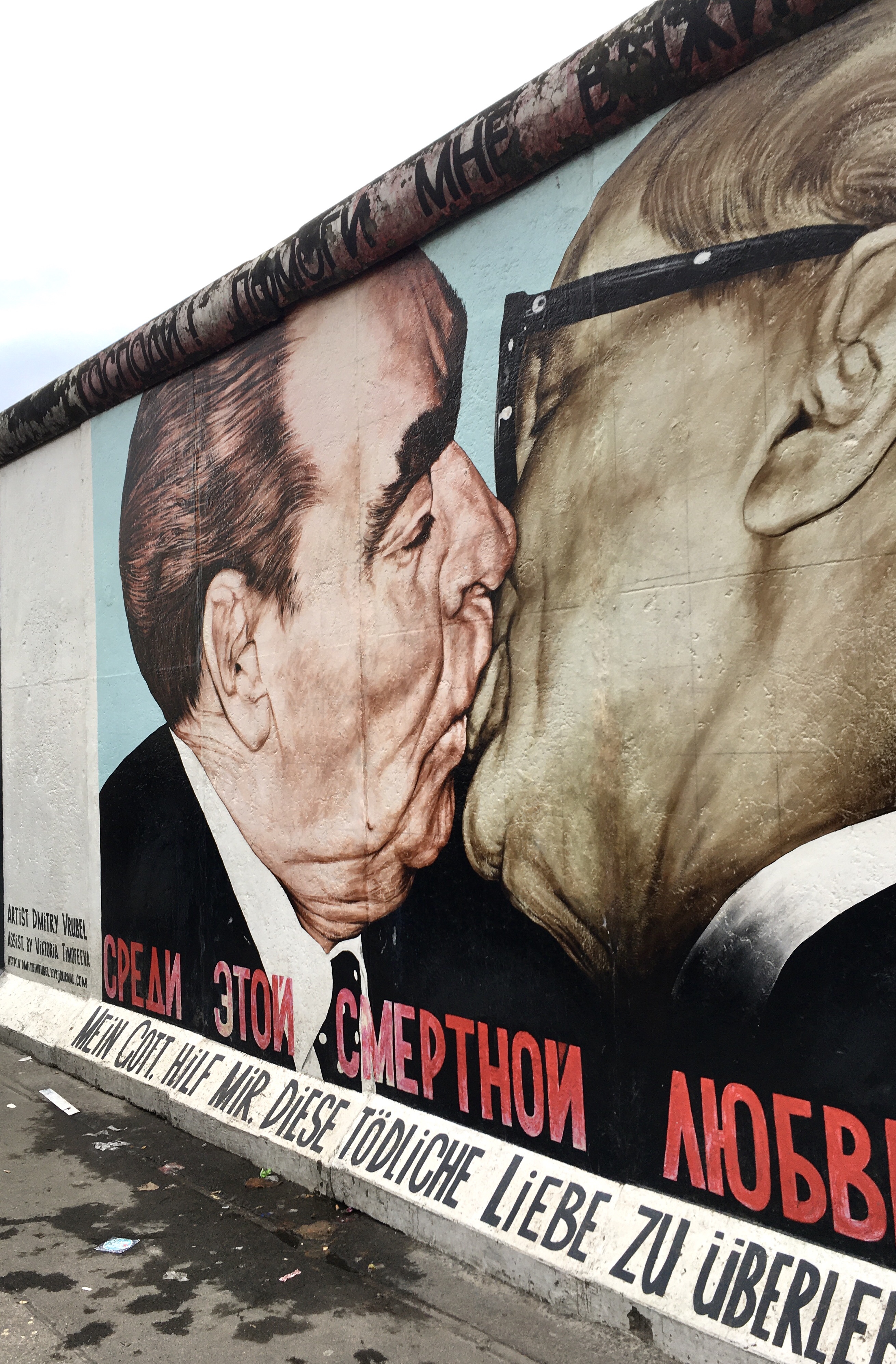
Then, I went to walk along the East Side Gallery. It is really a must-do in Berlin.
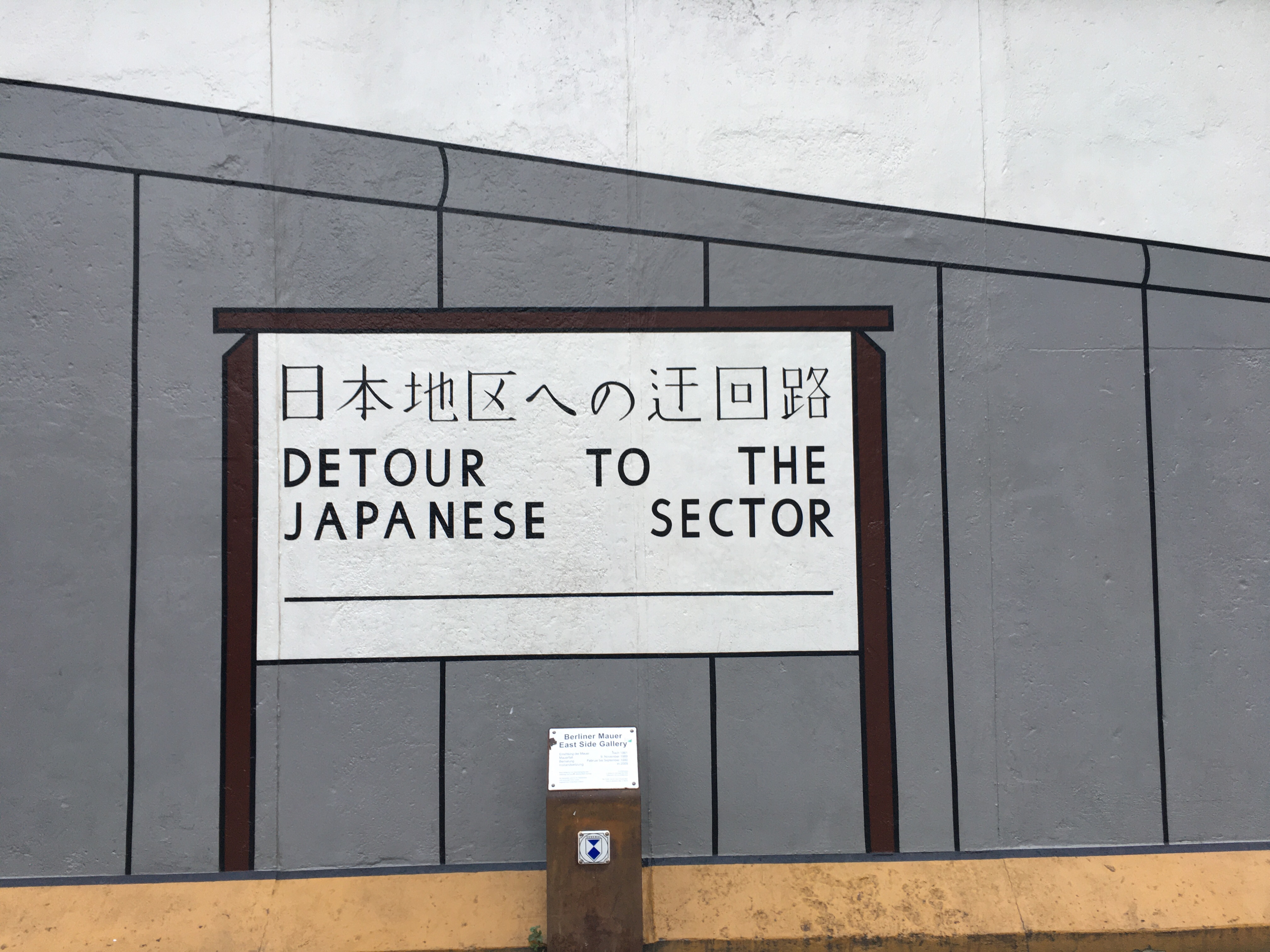
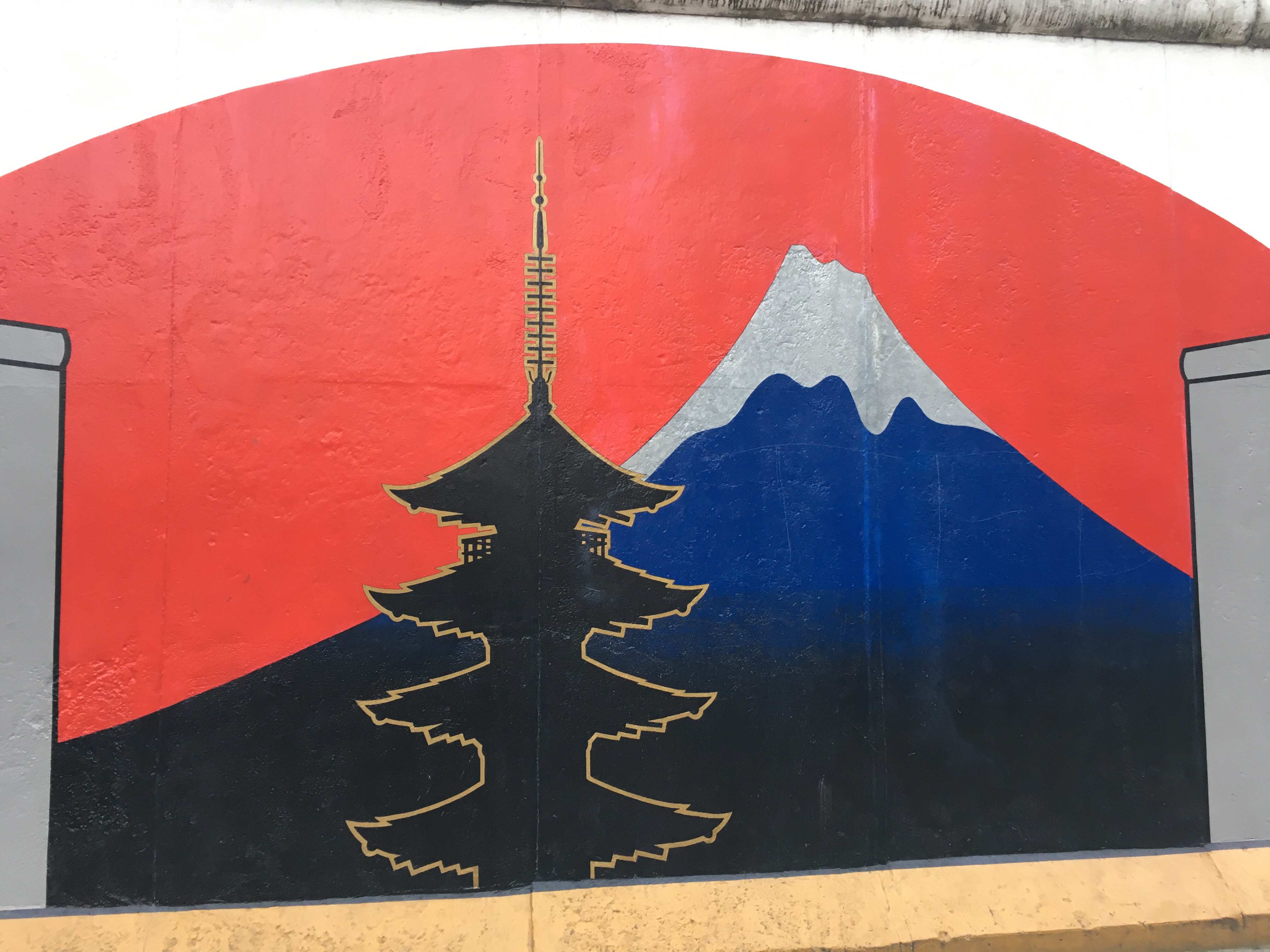
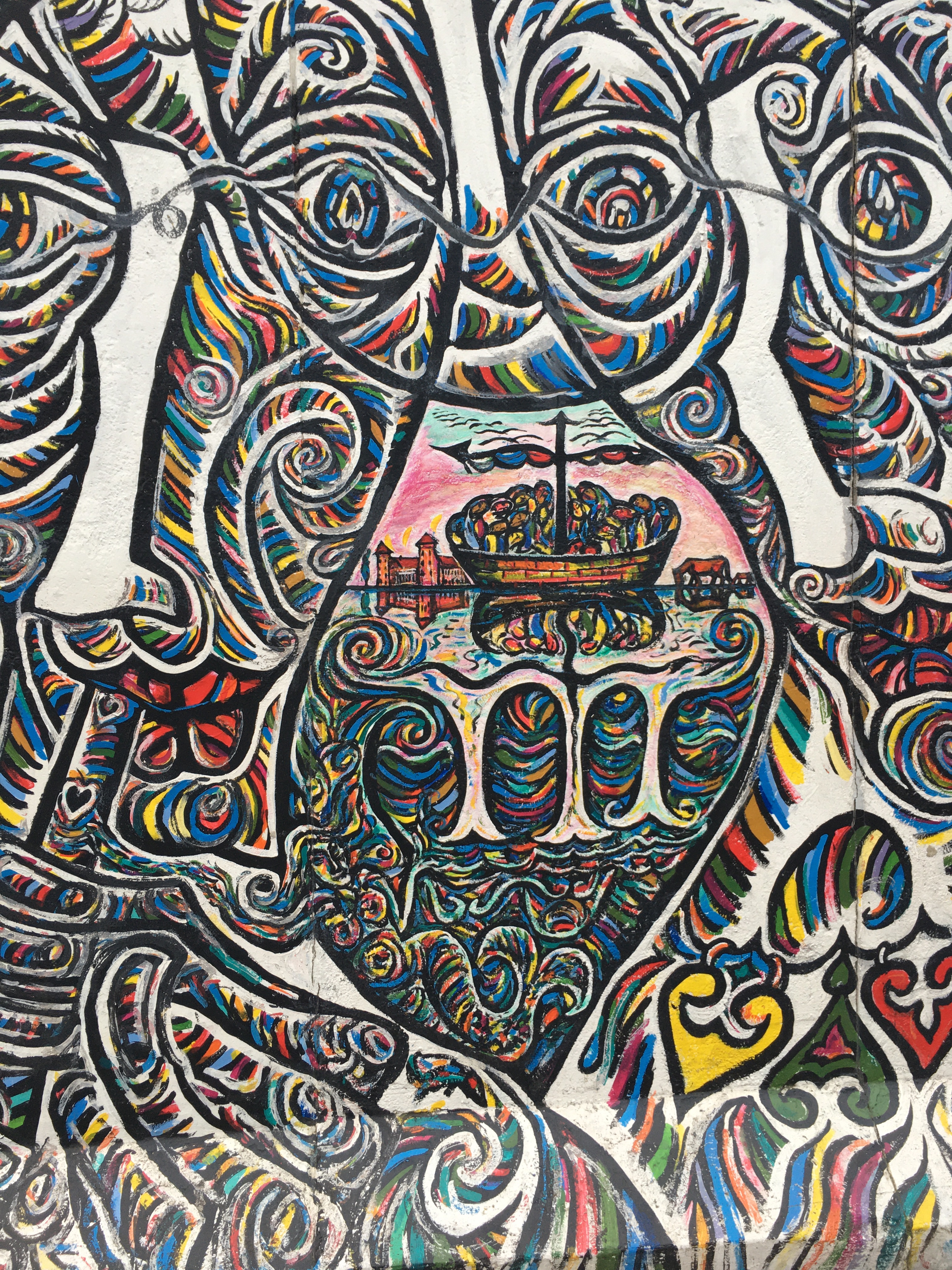
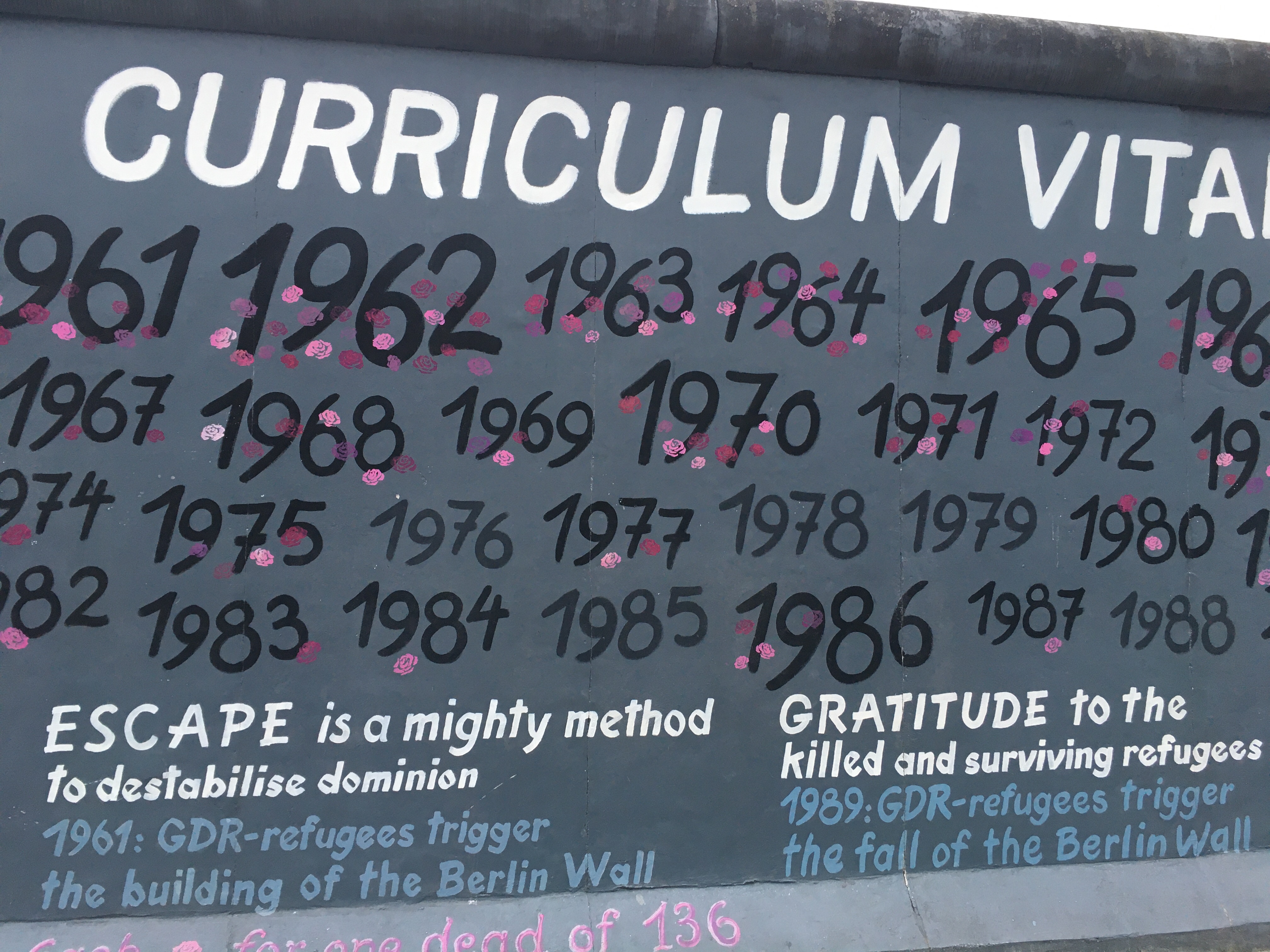
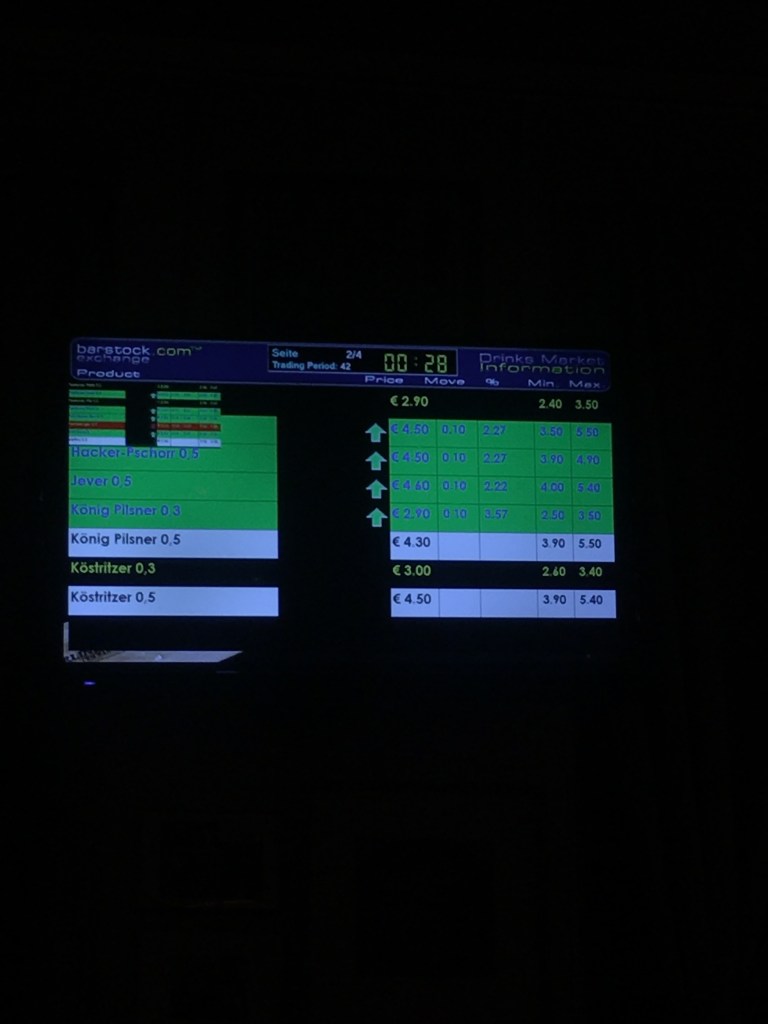
For dinner, we went to a traditional Berliner brasserie. German food is not the finest, but you need to try! I personnally had Tofu sausages with curry.
DAY 4 | TOPOGRAPHIE OF TERROR
That morning, I only had the time to do one museum. I decided to go for the Topographie of Terror. The Museum is in the former HQ of the principal organs responsible for the Nazis’ persecutions (SS, SD, RSHA…). It is now a place of documentation to inform the public on the history of the area and about the different crimes made by the Third Reich. It is well done because it explains clearly how terror was integrated in the regime gradually, and what was the sentences to the different types of victims of the Nazis. It also invites us to think on this chapter of history, and its consequences still visible nowadays.
It was my favourite museum of Berlin.
Then unfortunately, it was time for me to leave the city.
So yes, Berlin is not the prettiest city of Europe in terms of streets and architecture. But guess what? No one pretends so. The history of Germany, however, has made the capital a restructured city, where arts lovers will find their match, but mostly, with history waiting for you at every corner of the streets. There is so much to learn when visiting Berlin. It is also a wakeup call for us – how fortunate we are to live in our times, and how we should never forget the errors made from the past to never repeat them.
 OFF THE ROAD